
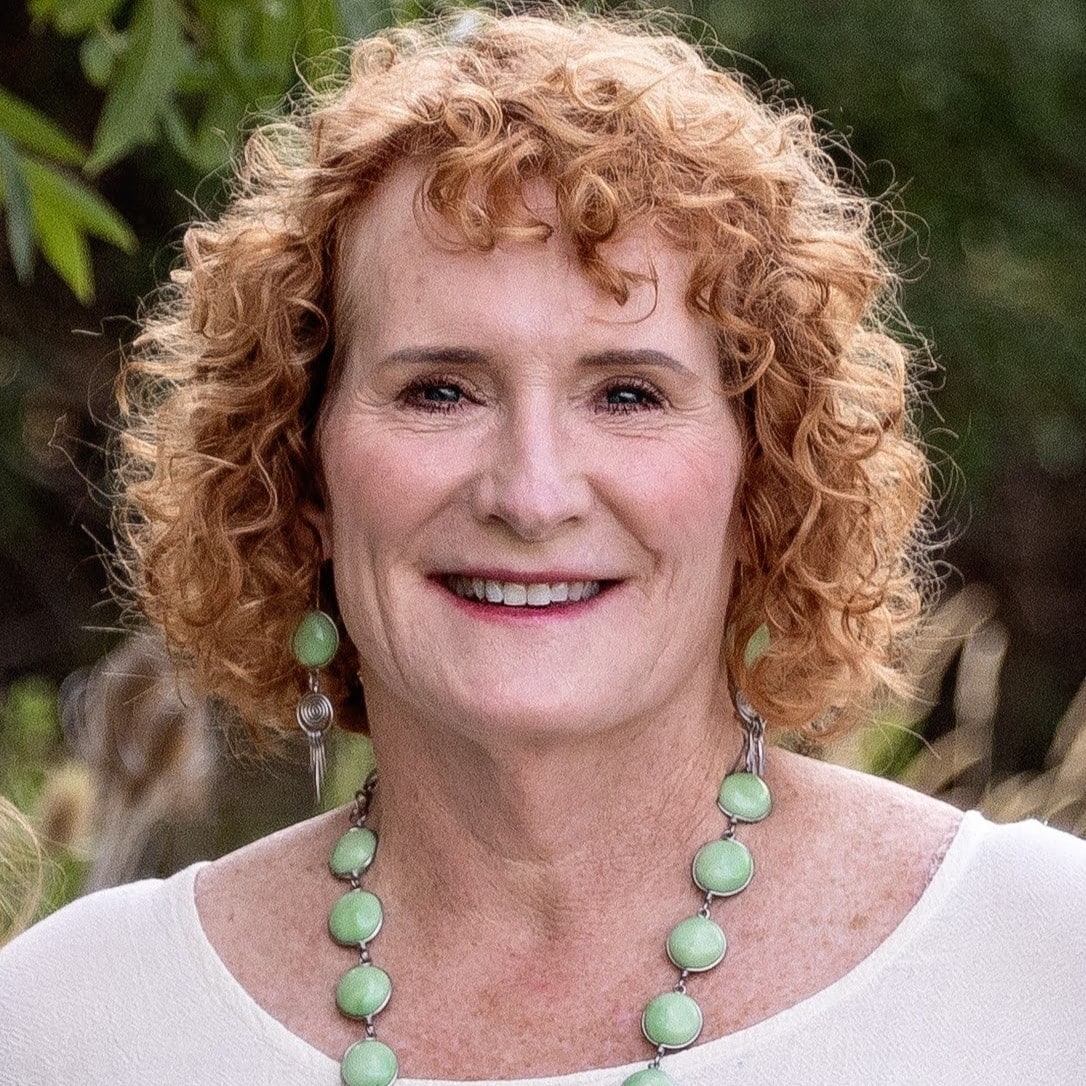
Coach Kathleen
- Washington, Mexico
- Language: EnglishEmail: info.coach.kathleen@gmail.com
I Did Everything, and Felt So Alone
It was my first night home from the hospital after a near-death birth experience. At 4 a.m., I was cradling my seven-day-old baby, feeling a whirlwind of emotions—worry, exhaustion, and anger.
Where was my husband?
His best friend had come to town to meet our newborn, and a simple beer outing had turned into an all-night bender.
I felt utterly alone, helpless, and trapped. I didn’t trust him to be responsible with our children. Even when he was sober, I found myself micromanaging him and telling him how things should be done.
I became hypervigilant and critical, checking his breath, scrutinizing his eyes for signs of drinking. I was doing everything around the house and seemed like the only one who seemed to know what the kids needed. He tried to help, but it was either never enough or not done my way.
I felt I couldn’t rely on him and resented him for it.
Although there were happy moments, an underlying disconnection always lingered.
Our conversations revolved around logistics and other people. We stopped connecting emotionally, and our sex life suffered. I craved being pursued, but he often stayed up late or avoided going to bed at the same time as me.
I began pursuing him.
He turned me down, saying he was tired or not interested.
I felt rejected and alone.
Months would pass without intimacy, and I openly expressed my disappointment, suggesting he see a doctor, get testosterone, or lose weight.
I explained how alcohol affects sex drive and ED, but he never took action. The dry spells lengthened.
I felt lonely, unheard, and unloved. There was no emotional or physical intimacy between us. My body was burdened with stress and inflammation, leaving me overweight and with aching hips.
We lived parallel lives for years, me constantly questioning whether to stay or go. He drank and was often angry—every topic seemed to trigger conflict. There was no emotional safety, and every attempt to create connection resulted in fights and rejection.
We tried marriage counseling for six months, but it made no difference.
After a huge fight and subsequent silence, one day he came home and said he felt like a failure who was unable to make me happy.
He asked for a divorce.
It was surreal and heartbreaking to consider throwing away a lifetime of memories and partnership after 36 years.
Neither of us knew how to fix it, so I moved out.
My sister recommended a book called The Empowered Wife. Initially, I dismissed the idea, believing my marriage was over and it was time to move on. Divorce papers had been filed, and it was time to heal. However, a few months later, I found myself wondering where I went wrong.
I thought I’d done everything right.
If only he had changed.
I decided to buy Laura’s audiobook and listened to it during walks. I was struck by the stories of critical, controlling wives—just like me!
I felt convicted and responsible.
My superiority, blame, and pride transformed into deep humility and shame. I realized my husband had only been trying to cope with the demands I placed on him, always wanting to make me happy and be my hero.
He was loyal and true, but he felt disrespected and like a failure in our marriage.
Desperate to make things right, I tried the skills from the book to see if we could turn things around. We agreed to slow down the divorce process.
I issued a heartfelt apology, and he was receptive and relieved that I could accept some accountability. I focused on gratitude, and he finally felt appreciated. He was able to succeed with me.
By using the Skills, love began to emerge again, and our intimacy reignited.
I started to see him with a new perspective and appreciated the ways he always wanted to be my hero. Later that spring, I joined the Ridiculously Happy Wife group coaching program, and we decided to move back in together for the summer.
His relationship with alcohol improved, and so did our communication.
We canceled the divorce filing.
Today, our marriage is flirty and fun!
When I relax into my feminine side and allow space for him to take charge, he takes care of me. I am finally able to receive graciously, feeling cherished and valued. I make it a practice to express gratitude to him for all the things he does and more good things seem to come my way.
I also deeply focus on what he says, always listening for the heart message behind the words. I stopped trying to fix things or offer unsolicited advice, creating trust and respect.
Now, there is a safe space between us for him to let down his defenses and share more vulnerably with me. I feel empowered to take care of myself without guilt and express my needs and desires.
I am living in alignment with who I’ve always wanted to be and am, indeed, ridiculously happy.